

Te Wao Nui o Tapuika
Targeted pest control in the Te Matai ngahere.
Titiro whakamuri, kōkiri whakamua. Walk into the future with our eyes fixed on the past
Te Wao Nui o Tapuika aspire to restore the relict population of kōkako within Te Takapū o Tapuika, the belly of Tapuika. Their goal is intergenerational, to ensure Tapuika uri (descendants) are continuously practicing, protecting and enhancing all land, water, air, sea and natural taonga within their sacred whenua.
As at 31 July 2025, Tapuika are effectively managing 708-hectares of best-practice predator control infrastructure (a mixture of bait stations and traps) in whenua that connects vital kōkako ecological habitats between Ōtanewainuku and Kaharoa. Their last toxin operation saw possum density drop to an average of 10% RTCI across their total project area.
Te Taiao Kaimahi Rawiri Faulkner, says the mahi is hard but it’s rewarding.
“You’re not just working for money, you’re giving back to te taiao and it’s a good feeling. I'm not doing it for me, I'm doing it for a bigger cause, for our future generations. That’s what keeps me going.”
Contact
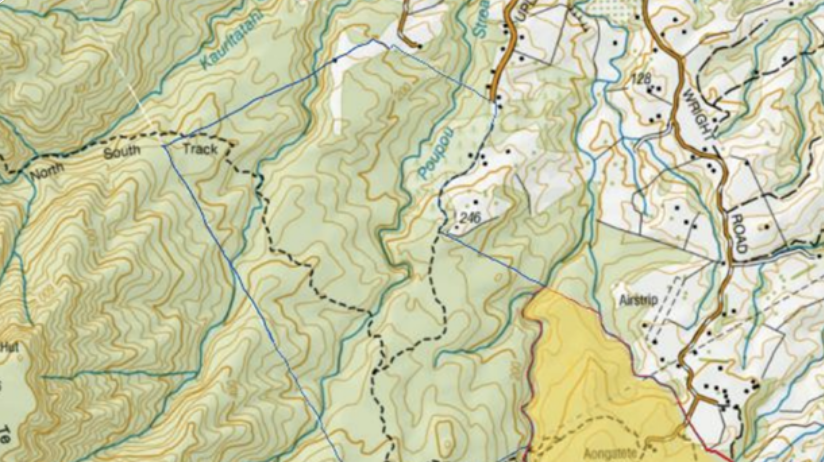
PROJECT AREA
LATEST UPDATES


THE MAHI
-

Track lines
Marking, cutting and maintaining trapping lines over the 500-ha block of land.
-

Pest control
Using best practice techniques, Tapuika undertake ground-based pest control, targeting possums, feral cats and mustelids to levels that allow biodiversity values to increase.
-
DATA
Input operational data into a data management system supplied and supported by the Manaaki Kaimai Mamaku Trust.

0%
Rats identified in tracking tunnels post November 2025 toxin operation.

708
Hectares under control in Te Matai Forest.

10,186
Hours worked.

$888,956
Ecosystem services contribution to regional economy.
PROJECT AREA VALUES

Priority DOC ecosystem
Mangorewa
EMU rank 306

Threatened and at-risk species
North Island robin, kōkako

Other DOC assets
Low public access with no tracks or huts. High ranking ecological corridor with KEEP. Forest understory remains healthy with very low deer & goat numbers.






PROUDLY SUPPORTED BY


